Minister approves Zentai’s extradition
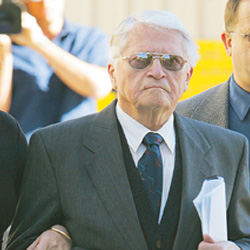
AFTER more than five years of court battles, the federal Government indicated late on Thursday evening that alleged war criminal Charles Zentai would be extradited to Hungary.
AFTER more than five years of court battles, the federal Government indicated late on Thursday evening that alleged war criminal Charles Zentai would be extradited to Hungary.
Home Affairs Minister Brendan O’Connor, who was left with the decision whether or not to extradite, ruled Zentai, 88, would be sent to Hungary within two months.
“My decision is not one of determining Mr Zentai’s guilt or innocence,” O’Connor said. “It was about deciding whether or not Mr Zentai should be surrendered to Hungary in accordance with Australia’s extradition legislation and its international obligations. “
“The considered and methodical application of the Extradition Act ensures that Australia is not a haven for alleged criminals. It also ensures we cooperate effectively, on matters of justice, with countries around the world.”
According to news reports, Zentai’s family will appeal the decision, because he is too frail and ill to travel to Hungary, despite offers of medical support for the journey.
Zentai has always denied the charges relating to the murder of Peter Balazs, a young Jewish man who was beaten and then thrown into the Danube River in Budapest in 1944.
Two other men were convicted of their complicity in Balazs’ murder soon after World War II, but Zentai was only arrested five decades later after an investigations by the Simon Wiesenthal Centre.
Since his arrest, Zentai’s lawyers have tried to have the extradition case dropped, initially by appealing the Perth Magistrate Court’s right to hear extradition proceedings and then by challenging judges recommendations that he was eligible for extradition.
Full coverage in next week’s AJN