



This September, give your traditional High Holy Day dishes a distinctly Aussie makeover, swapping in some native bush ingredients and homegrown favourites, while encapsulating the spirit of sweetness and renewal for the year ahead.
It’s a fun, flavour-packed way to honour tradition, while celebrating the extraordinary produce growing right in our own backyard.
Start with the challah
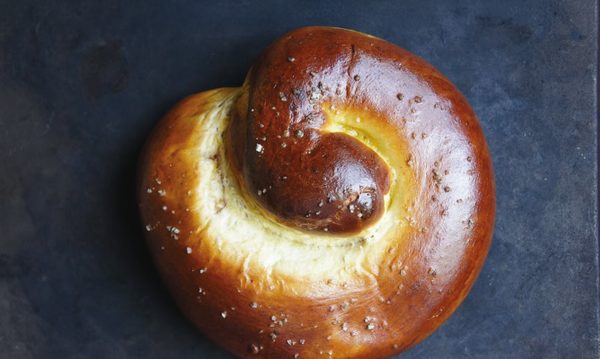
No Rosh Hashanah table is complete without a round – and preferably sweetened – challah, symbolising the cycle of the year.
Give yours a local lift by brushing the dough with rich Tasmanian leatherwood honey, or golden yellow box honey, just before it goes in the oven.
For extra texture, fold a handful of chopped, roasted Queensland-grown macadamia nuts into the dough before braiding — or stir 1½ teaspoons of ground lemon myrtle into your flour for a fragrant, citrusy note that will have your kitchen smelling incredible.
Delve into delicious native bush foods
Lemon myrtle – like Kakadu plum and wattleseed to name just a few – are dynamic, fresh and flavoursome raw native Australian ingredients that have been traditionally used by Indigenous Australians for tens of thousands of years.
Over the last decade, these beautiful bush foods have been made much more accessible to purchase at the highest quality by innovators like The Australian Superfood Co, founded in 2015 by accredited dietitian and nutritionist Hayley Blieden – a Mount Scopus College alumna – after extensive research into Australian bush foods.
The business, which came under new ownership in 2022, works closely with Indigenous communities and local growers to bring native produce to home cooks, restaurateurs and food manufacturers alike.
In raw form, ingredients such as wattleseed, Kakadu plum, finger lime, lemon myrtle, bush apple, native river mint, desert lime and mountain pepperberry, are all kosher.
And The Australian Superfood Co’s bulk and wholesale product ranges that feature those native bush foods – available as powders, extracts, syrups, herbs, spices and teas – are certified pareve by Kosher Australia.
Mains worth celebrating
Skip the imported fish this year and let Australian barramundi take centre stage.
Roast a whole barra, or individual fillets, and finish with a bright glaze of orange juice, pomegranate molasses, and locally-sourced honey, for a dish that’s as festive as it is delicious.
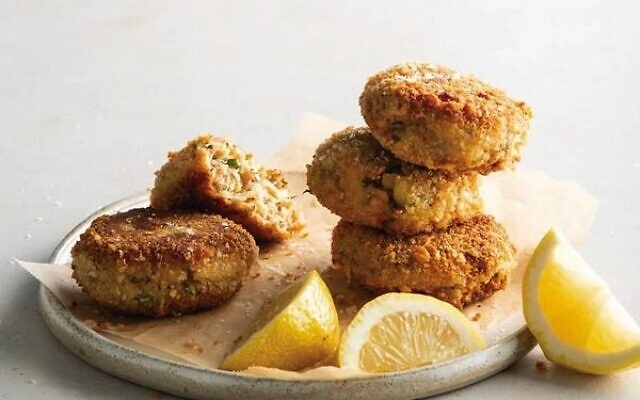
Smoked trout fish cakes get a beautiful lift from lemon myrtle, or some white aspen, or stirred through the crumb, or tartar sauce, adding an aromatic, citrusy edge.
And if you’re serving a classic lox-and-onion scramble at brunch, try swapping standard salt for a pinch of ground saltbush — it brings a mild, earthy salinity that pairs beautifully with eggs.
Planning to cook some beef brisket? Try glazing it with local eucalyptus or macadamia honey, balanced with a burst of fresh finger lime caviar, in place of ordinary citrus. Or add some punchy flavour to it with some Kakadu plum seasoning.
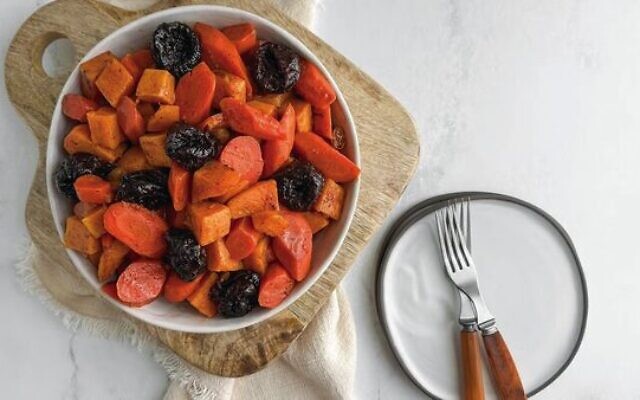
For tzimmes, add a handful of halved Davidson plums to your carrot and sweet potato — the tartness cuts beautifully through the rich, syrupy vegetables, and gives the dish a gorgeous ruby hue.
Salads and sides
Because Rosh Hashanah falls just as spring is warming Australia up, it’s the perfect excuse to start the meal with something cool and fresh.
Toss crunchy diced Pink Lady or Granny Smith apples — both proudly Australian-grown varieties — with juicy Australian-grown pomegranate arils, symbolising abundance.
Add in some toasted macadamias, and then dress it all with a light vinaigrette made from quality Australian extra virgin olive oil and local honey.
Crisp, sweet-tart and full of texture, it’s a salad that earns its place at the head of the table.
Sweet endings
Dessert is where the Aussie twist really gets to shine.
Few celebrations in this country feel complete without a pavlova, so why not include it on your Rosh Hashanah dining table.
Bake a classic meringue base, top it generously with honey-folded whipped cream, and finish with slices of fresh green apple, some strawberries and sliced kiwifruit, and a vivid pomegranate coulis.
It will be a showstopper, and it’s easy to make it dairy-free by swapping in a plant-based whip.
For something more traditional, bake a honey cake using rich, Australian-made date syrup in place of processed honey.
Interestingly, many scholars believe that the ‘honey’ referenced in the Torah was actually silan, or date syrup.
Fold through chopped macadamia nuts or pecans.
Add one or two tablespoons of roasted, ground wattleseed to the batter for a subtle coffee-hazelnut aroma that takes this cake to another level.
Wattleseed is just as lovely folded into rugelach, or mandelbrot dough or filling, where its coffee-toned warmth works wonderfully alongside chocolate and cinnamon.
Breaking the fast gently
Whether you keep the traditional dairy or pareve Ashkenazi breaking the fast meal, or follow the Sephardic custom of a light dairy snack followed later by a full meat meal, the goal when preparing the first meal after Yom Kippur should be the same – offer something comforting, nourishing, and easy on the stomach.
Both traditions lean on sweet foods — honey and jams — echoing the sweetness of the year ahead, and eggs, symbolising life and renewal.
It’s also not a night for standing over the stove, so have everything ready to simply heat and serve.
A few simple habits go a long way toward a happier, more comfortable evening for people’s stomachs.
Use smaller, salad-sized plates so portions stay manageable — people can always come back for seconds.
Spread food across a few stations rather than laying it all out at once, and let salads, fresh fruit, and something hydrating (think lemon water, diluted juice, or tea) take pride of place at the start, rather than bagels and pastries.
Save the challah and dessert treats for the far end of the table, and slice cakes and bagels smaller than usual so it’s easy to enjoy a little of everything.
Smoked fish like lox, sable and whitefish are rich and oily, so a little goes a long way.
It’s also worth going easy, after a fast, on coffee and alcohol too.
comments